Theater Arts

Current information appears on Castleton University pages for students entering in and prior to the 2022-2023 academic year.
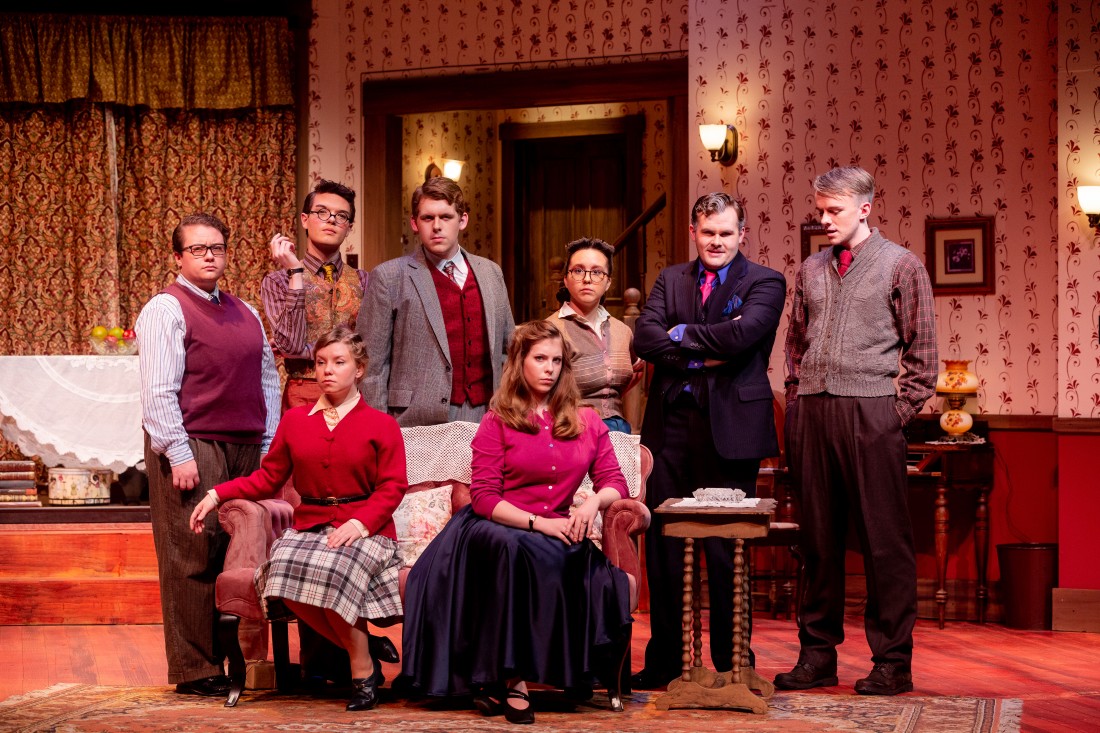
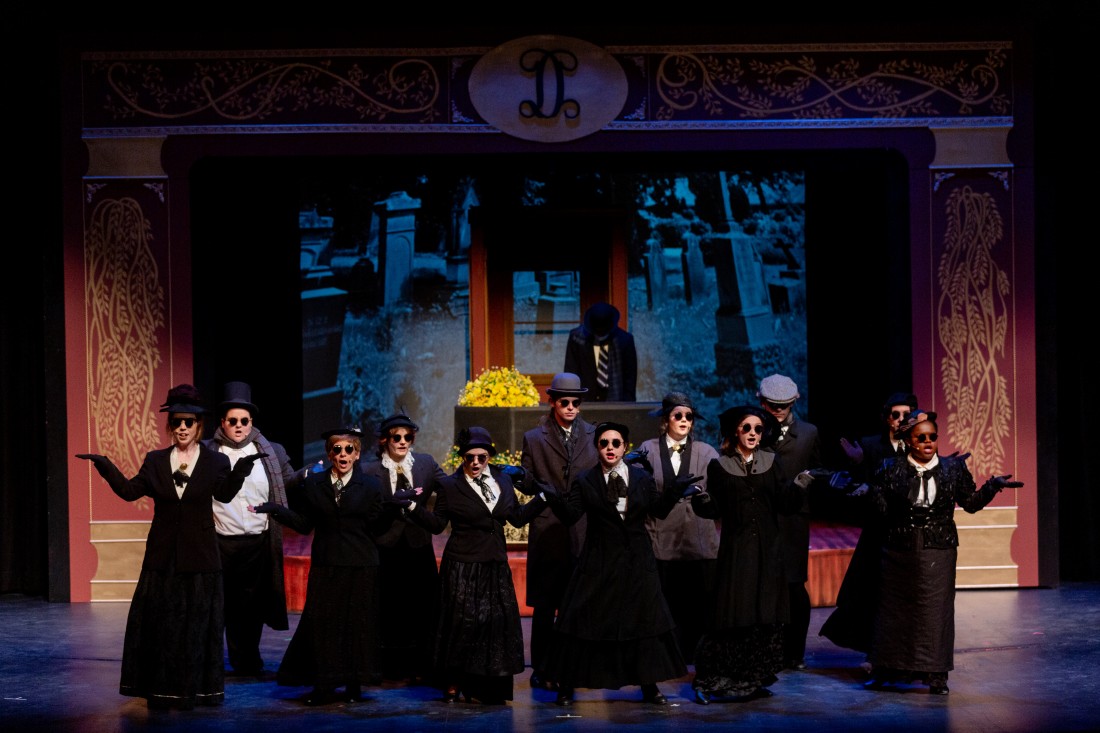
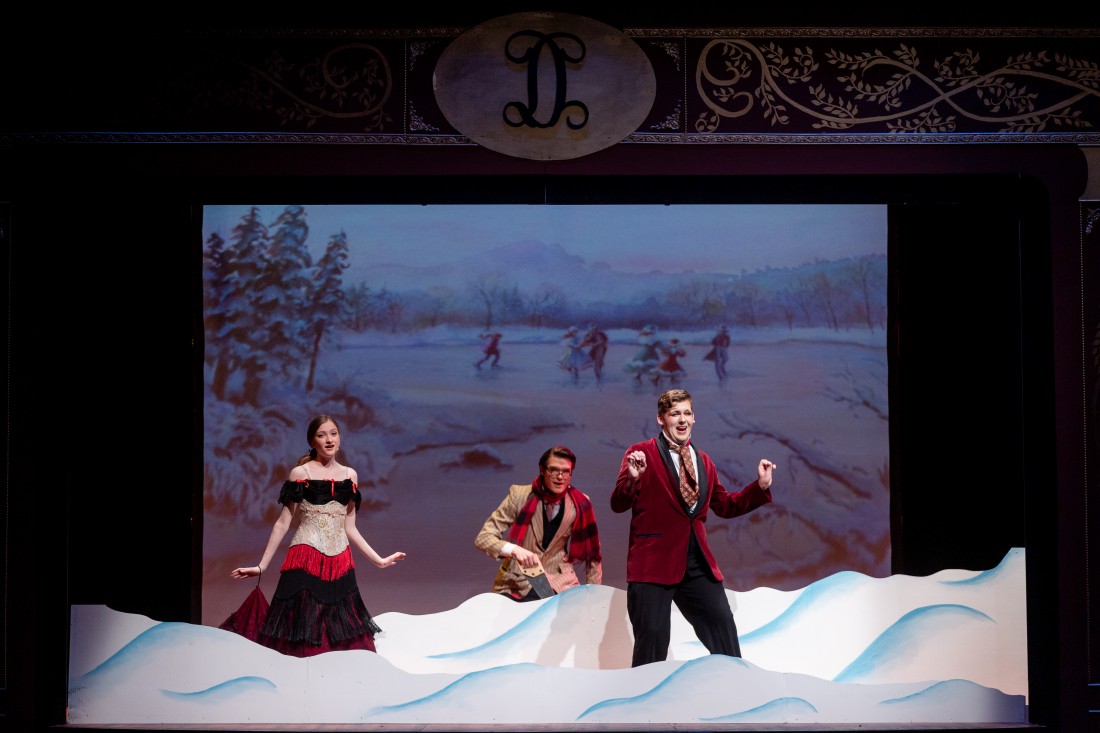
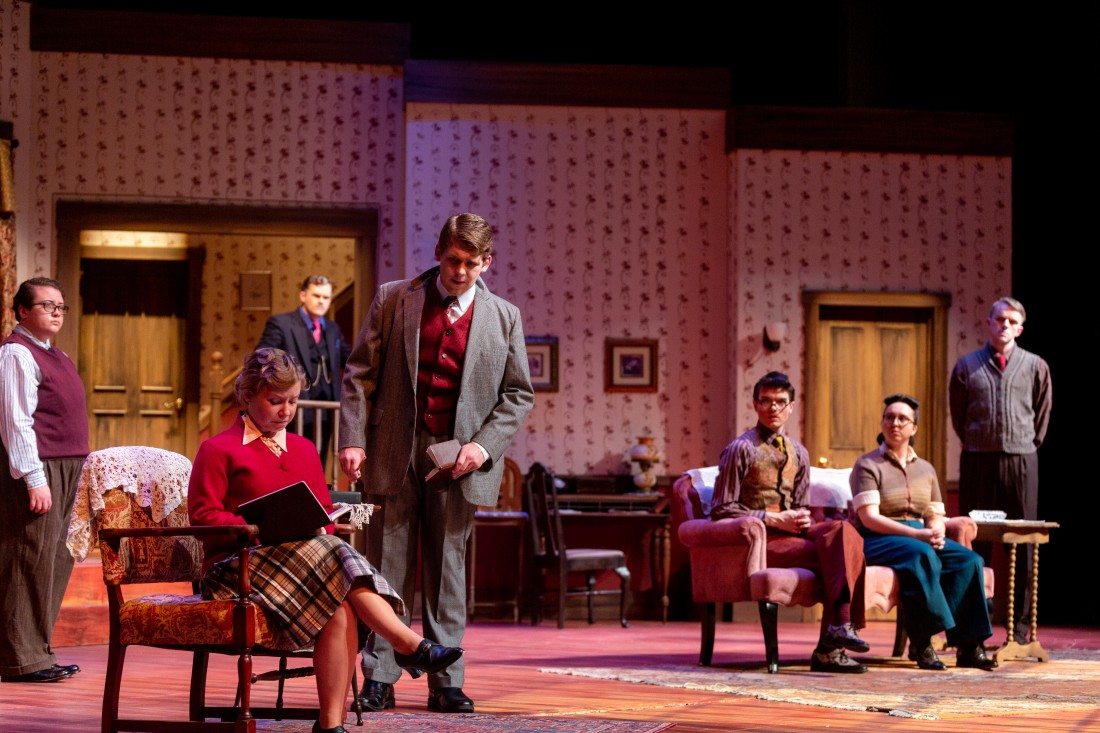
Theater Arts students will receive a balance of theory and practice through work in the classroom and on productions. Small class sizes allow students to work closely with our dedicated faculty in a project-based environment that encourages collaboration. Students have numerous opportunities for practical experience in a variety of production settings including: main stage plays and musicals, black box productions, Castleton Collaborative Arts, and many student projects.
Highlights of the Theater Arts Program
• Focus on your interest by choosing a concentration in Acting and Directing or Technical Theater and Design. The department also offers a Dance Minor and a Theater Arts Minor and a degree in Musical Theater in cooperation with the Music Department.
• Join the Theater Arts department on their annual trip to New York or London (alternating years) with the Plays from Castleton class which spends a week in the city to attend the latest plays on Broadway or the West End.
• Gain practical experience working on a number of shows in a variety of roles: acting, directing, dance, stage management, running crew, lights, sound, video, scenic construction, and much more.
• Work one-on-one with faculty to develop your portfolio, seek out internship opportunities, define career goals, and plan for your future after college.
Careers in Theater Arts
Castleton's Theater Arts program can equip you with a wide range of skills that can be applied across multiple career paths in the ever-changing world of live performance.
- Actor
- Business Manager
- Carpenter
- Choreographer
- Costume Designer
- Drama Therapist
- Director
- Event Planner
- Lighting Designer
- Lighting Technician/Operator
- Make-Up Artist
- Marketing Director
- Playwright
- Producer
- Production Manager
- Props
- Rigger
- Scenic Artist
- Set Designer
- Sound Designer
- Sound Engineer
- Special Effects and Pyrotechnics Engineer
- Stage Crew
- Stage Manager
- Technical Director
- Video Projection Designer
- Wardrobe Specialist
- Wig Construction
Successful Outcomes In Theater Arts
Theater arts is a challenging and competitive field. We provide training and experience to show your talent in its most exceptional light.
Castleton graduates have been successful on and off stage in summer theater, Off-Broadway, television, film, and educational theater, as well as in graduate school.
Recent Productions